The Allure of Chance and Uncertainty
At the heart of casino gaming lies an intrinsic attraction to chance and uncertainty. Humans have always been fascinated by the unknown, and casinos exploit this psychological trait through games that offer the potential for significant rewards. The thrill of not knowing whether you will win or lose can create a heightened state of excitement, which draws players back for more. In choosing the right platform, it’s beneficial to explore the best bitcoin casinos, as they often enhance the unpredictability of gambling experiences. The unpredictability of gambling can provide a rush that is hard to replicate in everyday life.
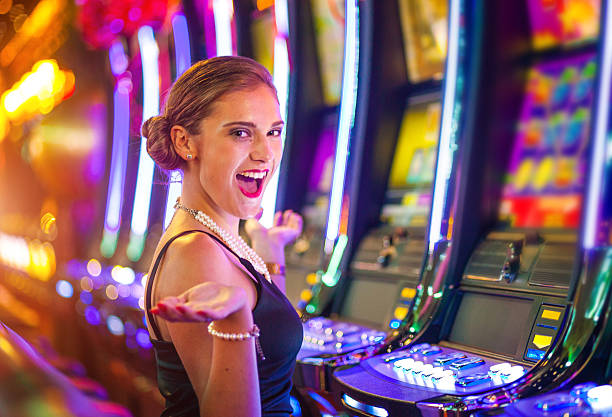
This craving for uncertainty is closely related to the concept of variable reinforcement, a principle rooted in behavioral psychology. Players receive rewards in an unpredictable manner, which keeps them engaged longer. When wins are sporadic and unexpected, they become more exciting, giving players a reason to continue gambling in hopes of replicating that exhilarating experience.
The Role of Social Interaction
Another compelling psychological aspect of casino gaming is the element of social interaction. Many individuals are drawn to casinos not just for the games but for the vibrant environments filled with fellow players. The social aspect allows individuals to connect, compete, and celebrate wins together, creating a sense of camaraderie that enhances the gaming experience.
Moreover, social interaction can serve as a pressure valve for stress relief. For many, visiting a casino is an escape from the rigors of daily life. Engaging with others, sharing stories, and enjoying the atmosphere can provide a significant mental boost, leading individuals to return to the casino for not only the games but also the community.
The Impact of Sound and Visual Stimuli
Casinos are strategically designed environments that utilize sound and visual stimuli to create an immersive experience. The ringing of slot machines, flashing lights, and vibrant colors are all carefully orchestrated to capture attention and heighten excitement. This sensory overload can trigger emotional responses that keep players engaged and encourage them to keep playing.
Studies suggest that these sensory elements tap into the brain’s reward pathways, making individuals more susceptible to continued play. The joyful sounds associated with winnings, combined with the visual allure of the casino environment, contribute to an atmosphere that promotes longer sessions and more frequent visits.
The Psychological Thrill of Winning and Losing
The duality of winning and losing plays a significant role in the psychology of casino gaming. The euphoric high from winning can override the negative feelings associated with loss, leading to a complex relationship with gambling. Many players find themselves chasing losses, hoping to recover what they have lost, a behavior linked to the psychological concept of loss aversion.
Loss aversion suggests that the pain of losing is psychologically twice as powerful as the pleasure of winning. This can create a cycle of behavior where players continue gambling in an attempt to ‘win back’ their losses. This cycle can be detrimental, leading to problematic gambling habits and deeper psychological issues. However, this dynamic also amplifies the thrill of the game, making it an enticing prospect for many players.

Your Guide to the Best Gaming Experience
As you delve deeper into the fascinating world of casino gaming, it’s crucial to find a reputable platform that caters to your preferences. Our website is dedicated to providing comprehensive reviews and insights into the top crypto and Bitcoin casinos in Australia for 2025. We help you navigate the evolving landscape of online gaming and make informed decisions.
Whether you are a seasoned player or new to the world of online gambling, our expert insights will enhance your gaming experience. Stay informed, enjoy the thrill of the game, and make confident choices with the help of our detailed comparisons and guides tailored to your gaming preferences.
